How Art Improves the Lives of Canadians and Cultivates Our Collective Souls While Shaping the National Identity
Creative work holds a central place in defining the fabric of Canadian life. It serves as a mirror, capturing the nation's diverse cultures and histories. Indigenous creative expression reinvigorates cultural traditions, while city murals depict community stories. Music connects communities across vast distances, fostering a collective sense of unity. Such creative expressions not only enhance personal lives but also build a rich and layered sense of national identity. The true extent of art's impact on community and pride invites further exploration.
The Role of Indigenous Art in Shaping Canadian Identity
Indigenous art profoundly impacts Canadian identity, as it not only reflects the diverse cultures and histories of Indigenous peoples but also challenges mainstream narratives. This art form functions as a vital medium through which Indigenous voices express their experiences, traditions, and perspectives. Each piece, whether it be a painting, sculpture, or textile, embodies singular stories that speak to both Indigenous and non-Indigenous audiences.
Moreover, Indigenous art holds an important place in cultivating understanding and reconciliation among diverse communities. By displaying the profound heritage and persistent struggles of Indigenous peoples, it encourages conversation and promotes a greater understanding of Canada's intricate historical narrative. Museums and public venues progressively display Indigenous artists, helping their work engage more diverse audiences. This visibility not only elevates the cultural fabric but also promotes the restoration of Indigenous languages and practices, and ultimately building a more inclusive national identity that celebrates all its people.
City Murals and Cultural Plurality in Canada
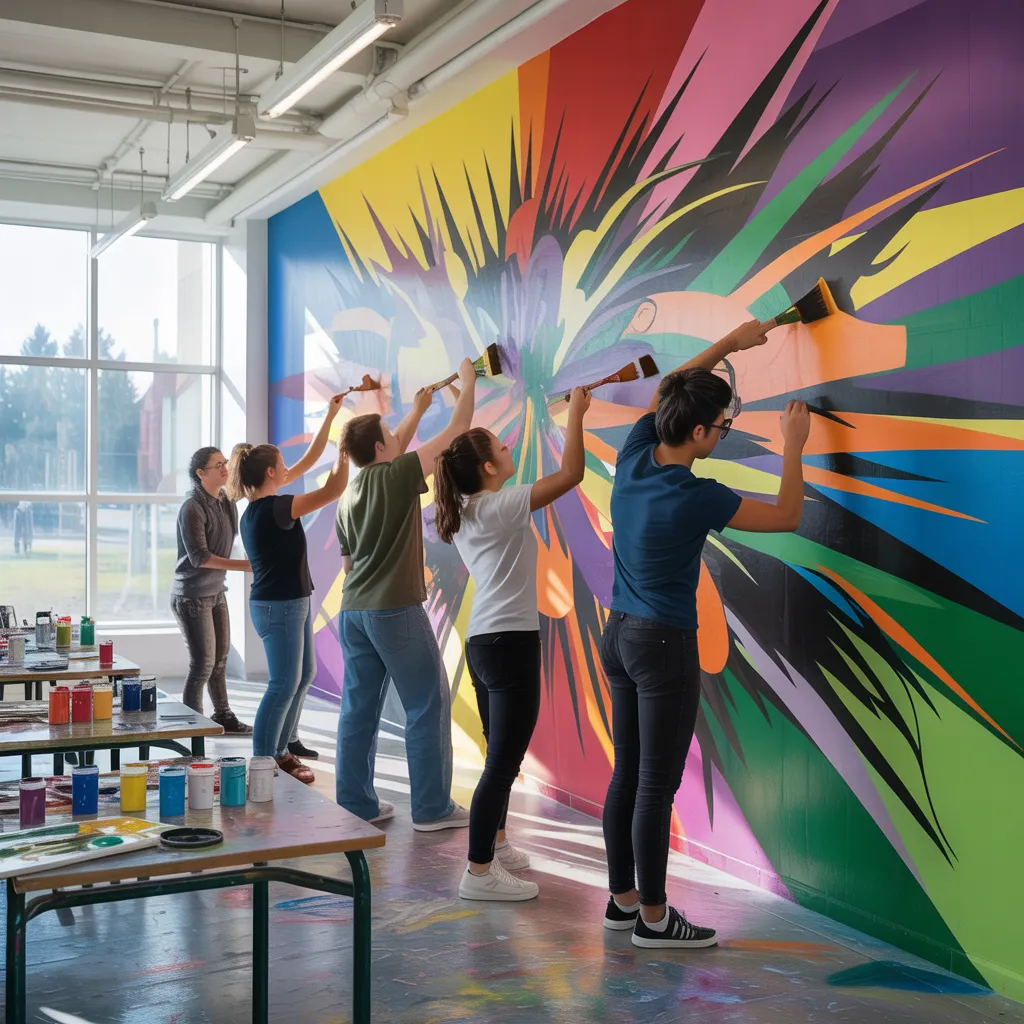
Murals across Canadian cities serve as striking visual expressions that showcase the country's vibrant cultural mosaic. These artworks transform city environments, converting ordinary spaces into vibrant expressions of community and identity. Through this medium, artists convey narratives that capture the diverse experiences of numerous ethnic communities, promoting a greater awareness of what it means to be Canadian.
Embracing Cultural Traditions
Across Canada, vibrant urban murals act as striking surfaces that celebrate the country's diverse cultural heritage. These artworks, often created by local artists, embody the histories, traditions, and beliefs of numerous communities, nurturing feelings of inclusion and pride. Not only do they enhance city environments but also encourage conversation among locals and tourists, promoting understanding and appreciation of different cultural narratives. By visually capturing the essence of multiculturalism, these artworks contribute to a shared national identity, emphasizing inclusivity. Events such as mural festivals further enhance this connection, drawing people together in recognition of creative expression. In the end, these murals serve as emblems of the vibrant mosaic of Canadian culture, deepening personal and communal connections through artistic work.
Transforming Urban Landscapes
While exploring the vibrant landscapes of cities across Canada, we cannot help but notice the transformative power of public murals. Such colorful creations not only enrich explore now shared environments but also capture the multicultural spirit inherent in Canadian society. Murals serve as a canvas for marginalized voices, sharing narratives of heritage, resilience, and community identity. Artists from various backgrounds work together to produce works that foster dialogue and understanding among community members. Cities like Toronto, Montreal, and Vancouver have embraced this art form, transforming surfaces into reflections of collective identity and harmony. As public murals continue to thrive, they reinforce a unified cultural narrative, enhancing the urban experience and deepening the appreciation of residents while honoring the diverse mosaic of their collective narratives.
The Impact of Music on Canadian Community Connection
Music forms a vital thread through the tapestry of Canadian society, fostering bonds that cross boundaries of culture and geography. In communities and cities across the land, local musicians and community events provide spaces for collective moments, encouraging varied communities to engage and collaborate. Open mic nights, festivals, and concerts act as platforms for cultural celebration, connecting individuals from different backgrounds under the universal language of sound.
Additionally, music serves a vital function in safeguarding cultural legacies, enabling First Nations, French, and immigrant groups to communicate their histories and practices. By encouraging acceptance and comprehension, music fortifies community connections, encouraging dialogue and connection among Canadians. Regional schools and community spaces often organize musical initiatives that nurture talent and build lifelong friendships, deepening the fabric of community relationships. At its core, music's influence across Canada not only enhances individual lives but also cultivates a sense of belonging and unity within the broader community.
How Art Sparks National Conversations
Art fuels broad public discourse by pushing boundaries and stimulating conversations on cultural, social, and political matters. Through various mediums, cultural contributors tackle critical subjects such as identity, immigration, and climate change, establishing a space for open conversation among Canadians. Literature, visual art, and music function as lenses portraying varied perspectives and lived experiences, cultivating compassion and insight.
Cultural exhibitions, theatrical performances, and book readings often spark debates, inviting audiences to engage critically with the narratives presented. Such creative works have the power to unite communities, inspiring collective action and advocacy.
In addition, artistic works transcend local distinctions, bringing people together from various backgrounds in shared conversations. This collective participation fosters a sense of unity and cultural identity, as Canadians examine their principles and ambitions through creative works. In the end, creative expression functions as a spark for reflection and dialogue, deepening the national dialogue and cultivating a more united society.
The Way Art Reflects History and Educates
Artwork serves as a vital historical record, documenting defining moments and cultural changes that define the identity of Canada. Across diverse mediums, it conveys the stories of culture that illustrate the diverse experiences and perspectives found across Canada. Moreover, the art of expression provides an educational platform, encouraging comprehension and respect of such historical and cultural settings.
Art As a Historical Record
Across the ages, many artistic creations have functioned as precious portals to bygone eras, providing insights into cultural, social, and political dynamics. Artistic works preserve moments in time, embodying the essence of specific ages and presenting accounts that supplement written history. Sculptures, paintings, and various other art forms commonly chronicle major events, shifts in society, and the everyday lives of people. To illustrate, historical art can represent battles, social movements, or ordinary existence, helping observers comprehend the sentiments and nuances of earlier eras. Furthermore, artistic works are capable of questioning prevailing accounts, providing alternative perspectives that enrich understanding of history. By engaging with these artistic records, people can learn about the complex dimensions of their cultural legacy, cultivating a stronger bond with their cultural identity and shared history.
Cultural Storytelling Through Artistic Works
Frequently underestimated, the impact of visual expression in defining cultural narratives is substantial and far-reaching. Art serves as a mirror showcasing societal values, struggles, and triumphs, intertwining the fabric of history and identity. Through multiple disciplines—painting, sculpture, and photography—artists preserve significant events and feelings, helping observers comprehend the intricacies of their shared history. As an example, Indigenous art often conveys stories of resilience and connection to the land, while modern pieces may critique modern societal issues. These creative works shed light on the diverse experiences that define Canada, cultivating a greater appreciation of its rich multicultural heritage. At its core, art does more than record history as it also nurtures a shared narrative, enhancing the cultural conversation within Canada.
Learning Through Creative Expression
Artistic expressions significantly enrich educational experiences by supplying original viewpoints through which history can be understood. Art forms, encompassing paintings, music, and literature, serve as reflections of cultural values and historical settings, allowing individuals to engage with past events on a deeper level. Such expressions not only capture the essence of specific time periods but also inspire analytical thought and heartfelt reactions. As an example, Indigenous artwork frequently conveys tales of strength and cultural heritage, encouraging recognition and admiration of multiple perspectives. By integrating art into educational curricula, students gain insights into their national identity and collective memory. This process nurtures empathy and understanding, thereby enhancing the learning environment and strengthening a collective bond with Canada's diverse history.
Cultivating National Pride Through Shared Creative Experiences
Art serves as a compelling vehicle through which Canadians can establish and nurture a sense of national pride, as mutual artistic experiences foster a unified identity. Performances, cultural festivals, and art exhibitions connect varied communities, allowing individuals to honor their heritage while embracing the depth of others. This collaboration fosters a stronger bond among Canadians, reinforcing the notion that art rises above cultural and linguistic barriers.
In addition, symbolic national imagery in art—including the renowned landscapes depicted by Canadian painters—awaken a sense of unity and shared heritage. These portrayals function as powerful reminders of Canada's exceptional beauty and guiding values. As Canadians participate in art as a community, they also interact with the story of their nation, reinforcing pride in their identity. Ultimately, these shared experiences not only enhance individual appreciation for the arts but also help build a strong and cohesive national identity, honoring the diverse and complex nature of Canadian culture.
Frequently Asked Questions
How Does Art Affect the Mental Health of Canadians?
Artistic engagement significantly impacts mental health in Canadian individuals by fostering emotional outlet, reducing stress, and enhancing overall well-being. Participating in various art forms cultivates connection and reflection, contributing positively to both individual and collective mental health outcomes.
How Do Art Festivals Impact Local Economies?
Art festivals markedly boost local economies by drawing in tourism, boosting revenue for local businesses, and producing seasonal job opportunities. They cultivate community participation and advance cultural exchange, ultimately strengthening economic vitality and social unity within the region.
What Are the Best Ways to Enhance Art Education in Canadian Schools?
Art instruction in Canadian schools can be enhanced by incorporating a wide range of artistic practices, expanding budget allocations for art supplies and materials, building collaborative relationships with community artists, and prioritizing cross-curricular methods that link art to other academic areas to strengthen student participation and artistic expression.
What Is the Future of Digital Art in Canada?
The trajectory of digital creativity in Canada appears promising, with technological advancements fostering creativity. Improved availability to digital tools and platforms will likely empower new and developing artists, strengthening creative collaboration within the artistic community.
How Can Art Encourage Environmental Awareness Across Canada?
Artwork cultivates ecological consciousness among Canadians by creatively portraying environmental challenges, inspiring dialogue, and fostering a spirit of stewardship. Through various mediums, it motivates individuals to reconsider their connection to the natural world and champion sustainable practices.